
Top 10 Bluebird Nesting Boxes That Are Easy To Install And Maintain
Learn about the most user-friendly nesting boxes that make attracting bluebirds simple and rewarding.
Trying to attract bluebirds to your yard sounds like a peaceful pastime until you realize setting up a nesting box is a bit like assembling a spaceship. Some boxes come with confusing instructions or require tools you don’t own. Then there is the maintenance—cleaning, checking for pests, and making sure the box stays weatherproof. Suddenly, what should be a relaxing hobby feels like a part-time job. You want to enjoy watching bluebirds, not wrestle with complicated gear or spend hours on upkeep.
Understanding Bluebird Nesting Behavior and Tips to Encourage Use of Your Nesting Box
Bluebirds are cavity-nesting birds that prefer open spaces with scattered trees or shrubs. They typically nest in natural tree cavities or old woodpecker holes, but providing a well-designed nesting box can help support their population, especially in areas where natural sites are limited.
Bluebirds are territorial during the breeding season and often return to the same nesting sites year after year. They usually lay between 3 to 7 eggs per clutch, and the female incubates the eggs for about two weeks. After hatching, both parents feed the chicks until they fledge approximately three weeks later.
Encouraging bluebirds to accept your nesting box
To increase the chances of bluebirds using your nesting box, consider the following tips:
- Proper placement: Install the box in a sunny, open area 4 to 6 feet above the ground, away from dense trees or heavy brush where predators might hide.
- Entrance hole size: Use an entrance hole about 1.5 inches in diameter to allow bluebirds in while excluding larger birds and predators.
- Keep it clean: Clean out old nesting material after each breeding season to prevent parasites and encourage reuse.
- Provide food and water: Plant native flowers and maintain a water source nearby to attract bluebirds and support their feeding needs.
- Monitor and protect: Regularly check the box for invasive species like house sparrows or starlings and take action to discourage them.
By understanding bluebird nesting behavior and following these practical tips, you can create an inviting environment that encourages bluebirds to make your nesting box their home. This not only supports local wildlife but also offers a wonderful opportunity to observe these beautiful birds up close.
How to Choose the Right Blue Bird Nesting Box
Entrance Hole Size
Choose a box with an entrance hole around 1.5 inches to attract bluebirds while keeping predators out.
Easy Cleaning Access
Look for boxes with removable or hinged panels to simplify cleaning and maintenance after each nesting season.
Predator Protection
Opt for designs with features like metal guards or baffles to protect bluebirds from snakes and other predators.
Size and Depth
Pick a box with adequate interior space, typically 5 by 5 inches and about 8 inches deep, to comfortably house bluebirds.
Natural Appearance
Select boxes with natural colors or finishes that blend into the environment to attract bluebirds and reduce disturbance.
Bird Houses participates in the Amazon Services LLC Associates Program, an affiliate advertising program designed to provide a means for sites to earn advertising fees by linking to Amazon.com
Ideal for attracting bluebirds and small songbirds safely
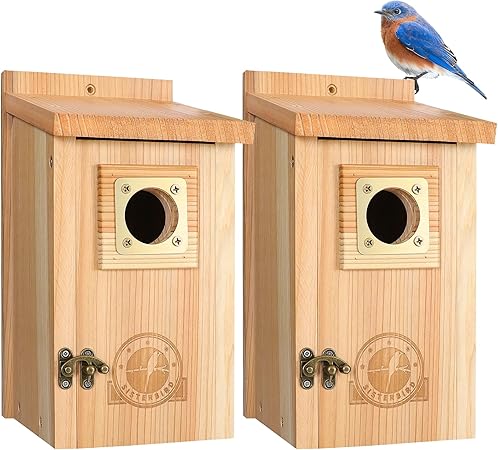
Here is why I recommend this...
These birdhouses are a joy to assemble and provide a safe, cozy home for bluebirds and their friends. Plus, the copper guard helps keep predators at bay, which is a big win for our feathered neighbors.
 View On Amazon
Great for durable, easy to clean bird nesting
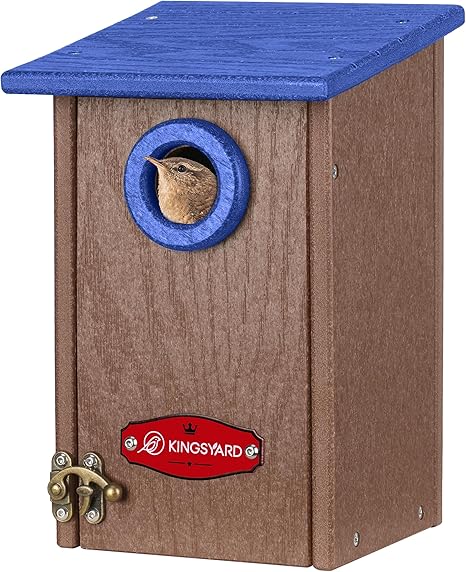
Here is why I recommend this...
This birdhouse is tough enough to handle all kinds of weather and opens up easily for cleaning, making it a hassle-free home for your feathered friends.
Great for durable and eco friendly bird nesting
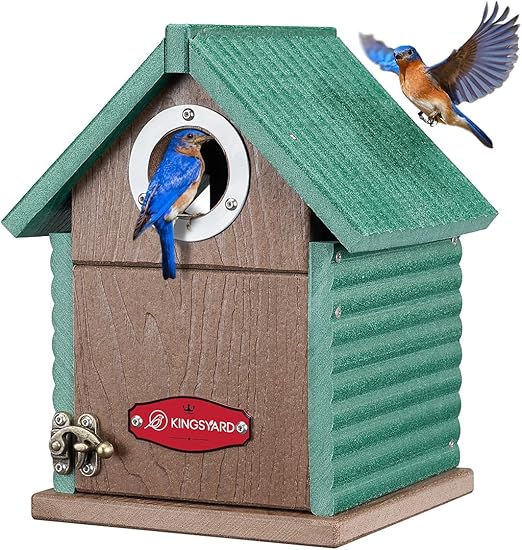
Here is why I recommend this...
This birdhouse is tough and weatherproof thanks to recycled plastic, plus it’s easy to clean and keeps little birds safe from predators. It’s a solid choice if you want a low fuss home for your feathered friends.
Ideal for attracting and protecting bluebirds and small songbirds
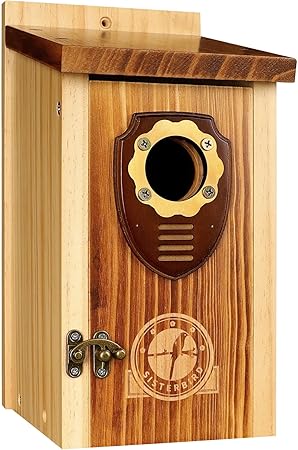
Here is why I recommend this...
This birdhouse combines sturdy construction with thoughtful design to keep your feathered friends safe and comfortable. It’s a joy to watch bluebirds settle in quickly and thrive.